- Newborns may look unusual at firstTheir heads can be misshapen or faces swollen from birth, but this usually resolves quickly.
- Sleep patterns are irregular
Babies sleep a lot (14–17 hours a day), but often in short bursts. Establishing routines takes time. - Feeding is frequent
Newborns typically eat every 2–3 hours. Breastfeeding or formula provides all the nutrition they need. - Crying is their main communication tool
Babies cry to signal hunger, discomfort, or the need for attention. Learning their cues helps parents respond effectively. - Bonding is crucial
Consistent, responsive care builds secure attachment. Babies thrive when caregivers talk, sing, and cuddle them. - They can see and hear from birth
Babies recognize faces and voices early. Caregivers’ faces are their favorite thing to look at. - Rapid brain development occurs in early years
The first 1,000 days are critical for cognitive, emotional, and social growth. - Skin care matters
Newborn skin is sensitive. Gentle bathing and moisturizing help prevent irritation. - Motor skills develop gradually
Babies progress from reflexive movements to rolling, sitting, crawling, and walking over their first year. - Consistency builds security
Predictable routines for sleep, feeding, and play help babies feel safe and supported.

Related Posts

Këngëtarja shtatzënë në moshën 46-vjeçe, po bëhet nënë për herë të parë!
Këngëtarja gjermane Jeanette Biedermann, e njohur për karrierën e saj të suksesshme, është në pritje të fëmijës së saj të parë në moshën 46-vjeçare. Jeanette dhe partneri…

Fjolla Morina: Transformimi i papritur që ka lënë të gjithë pa fjalë
Këngëtarja e njohur shqiptare Fjolla Morina ka habitur ndjekësit me ndryshimin e saj më të fundit në pamje. Me një stil të ri dhe një pamje krejtësisht…

Surprizë/ Ish-banorja e BBV do të jetë opinioniste në Ferma VIP 3?!
Ethet e sezonit të ri të “Ferma VIP 3” kanë nisur, sidomos pas konfirmimit të dyshes Arbana Osmani dhe Eduart Grishaj në timonin e programit. Por surprizat…

‘Për inat të Klodit’, pamjet me tjetër mashkull, reagon (ish) e dashura
Përfundimi i edicionit të katërt të Big Brother VIP Kosova ka lënë pas shumë pikëpyetje, por asnjë më të madhe se fati i romancës mes Klodit dhe…

Dy këngëtarë të tjerë fermerët e rinj të Ferma Vip!
Çdo ditë e më shumë sezoni i ri i Ferma Vip 3 po pritet me emocion dhe kureshtje, jo vetëm se rikthehen pas një pauze të gjatë…
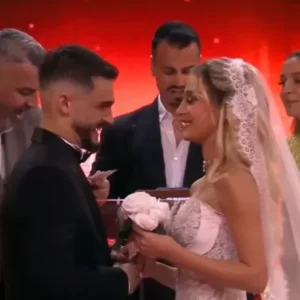
Rogerti prish dasmën e Gimbos dhe Selin në Big Brother VIP
Martesa e shumëpritur mes DJ Gimbo dhe Selin Bollatit në Big Brother VIP Albania u ndez me emocione, por edhe me tension. Banorët kurorëzuan dashurinë e tyre…